
Confused between Seeking Alpha and Motley Fool and not sure which one is actually worth your money?
You’re not alone most investors struggle to decide because both platforms promise better stock insights but work in completely different ways.
In this guide, you’ll get a clear, side-by-side breakdown of features, pricing, and real value, so you don’t end up wasting time or money on the wrong choice.
By the end, you’ll know exactly which platform fits your investing style and helps you move forward with confidence 📊🔥💡
1. What Is Motley Fool and Seeking Alpha?
📊 What Is Motley Fool?
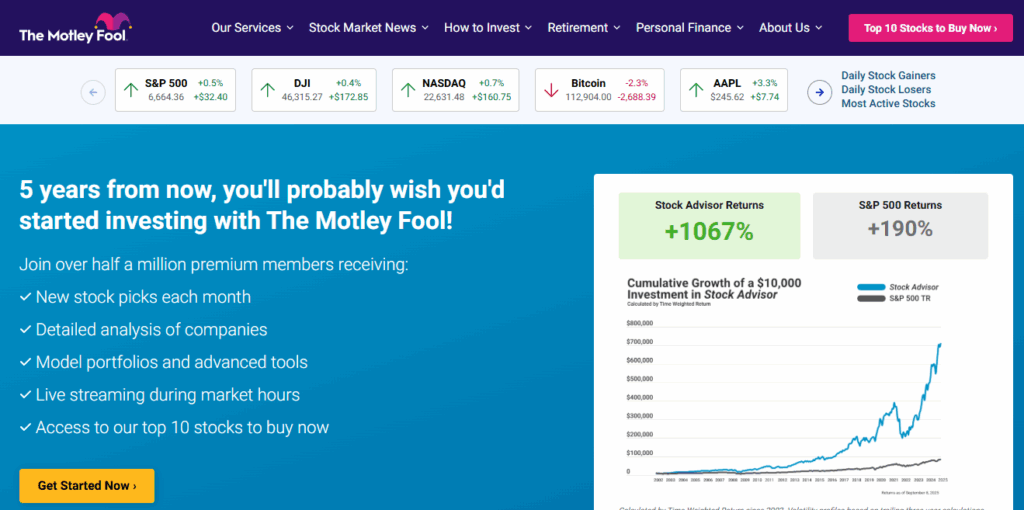
Motley Fool is an investment advisory platform that focuses on giving ready-made stock recommendations. Instead of overwhelming you with too much data, it provides simple guidance like which stocks to buy and hold for the long term. Their popular services (like Stock Advisor) are designed for people who don’t want to spend hours analyzing charts or financial reports.
What you actually get with Motley Fool (Stock Advisor):
- 🎯 2 new stock picks every month – One from David, one from Tom.
- 📋 “Best Buys Now” list – Top 10–15 stocks they recommend at this moment.
- 🔔 Buy & sell alerts – Clear entry and exit prices.
- 📚 Beginner starter kits – “5 stocks to buy right now” type guides.
- 🧠 Educational content – Why they picked each stock, risks, and time horizon.
👉 Think of it like this:
You follow expert picks, invest consistently, and stay invested for years.
Best for: Beginners, busy people, and long-term investors who want a simple path 📈
🔍 What Is Seeking Alpha?
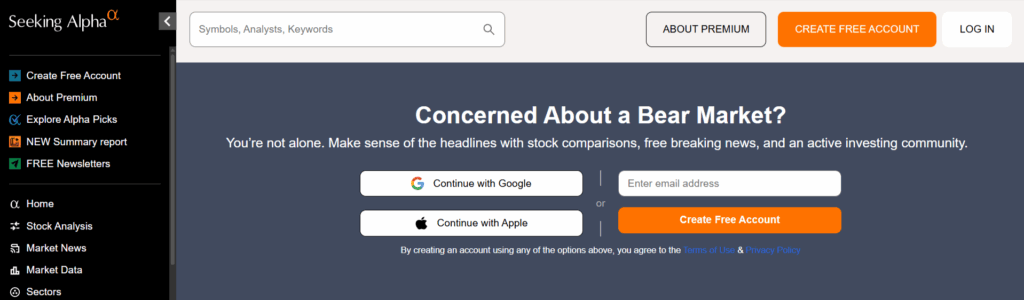
Seeking Alpha is a research and analysis platform where thousands of investors and analysts share their views on stocks. Instead of giving direct “buy this stock” advice, it provides detailed reports, earnings breakdowns, and multiple opinions so you can make your own decisions.
What you actually get with Seeking Alpha (Premium):
- 📊 Quant Ratings (A+ to F) – AI-powered grades on value, growth, momentum, and more.
- 🧾 Earnings call transcripts – Read exactly what CEOs said, minutes after they speak.
- 💰 Dividend grades – Safety, growth, yield – all scored.
- 📈 Factor grades – Value, Growth, Profitability, Momentum, Revisions.
- 👥 Bull vs Bear breakdown – Every stock has a “Wall Street vs. Main Street” score.
- 🔍 Advanced stock screener – Filter by quant rating, sector, dividend safety, etc.
👉 Think of it like this:
You study different insights, compare opinions, and then decide where to invest.
Best for: Intermediate to advanced investors who enjoy research and want deeper control 🔍
2. Key Difference: Stock Picks vs Research Platform
The biggest difference between Motley Fool and Seeking Alpha comes down to how you make your investment decisions. Both help you invest—but the approach is completely opposite.
📈 Motley Fool: Ready-Made Stock Picks
Motley Fool works on a “just follow the experts” model. Their team researches the market and gives you clear recommendations on which stocks to buy and hold. You don’t need to analyze charts, read reports, or compare multiple opinions.
👉 You simply:
- Check their recommendations
- Invest in suggested stocks
- Hold for long-term growth
This makes it extremely simple, especially if you don’t have time or experience.

🔍 Seeking Alpha: Research & Multiple Opinions
Seeking Alpha works like a research hub. Instead of telling you exactly what to buy, it gives you data, analysis, ratings, and opinions from different contributors.
👉 You:
- Read multiple analyses
- Compare bullish vs bearish views
- Make your own decision
This gives you more control but also requires more time and understanding.
⚡ The Real Difference (Simple View)
- Seeking Alpha = “Help me decide what to buy” approach
- Motley Fool = “Tell me what to buy” approach
3. Features Comparison: What You Actually Get
Let’s go deeper into the features because this is where most people make the wrong decision. It’s not about how many features a platform has, it’s about how useful they are for your investing style.
📈 Motley Fool Features (Simple & Action-Oriented)
1. Stock Recommendations
Motley Fool’s main feature is its expert stock picks. They don’t just give random suggestions they recommend stocks with a long-term growth perspective.
You typically get a few new picks every month along with reasoning behind them.
👉 Best for people who want clear direction without confusion
2. Model Portfolios
They provide sample portfolios showing how recommended stocks can be combined. This helps you understand how to diversify your investments properly instead of putting all money in one stock.
3. Best Stocks to Buy Now
This section highlights the most promising opportunities at the current time. It saves you from going through old recommendations and helps you focus on what’s relevant right now
4. Email Alerts & Updates
Whenever a new stock is recommended or an important update comes, you get notified. This ensures you never miss an opportunity without constantly checking the platform
5. Beginner-Friendly Content
The platform avoids complex financial jargon and explains things in a simple way. Even if you’re new to investing, you can understand and take action quickly
🔍 Seeking Alpha Features (Deep & Focused)
1. Stock Analysis Articles
Seeking Alpha has thousands of articles written by analysts and investors. These include bullish, bearish, and neutral views, helping you see both sides before investing
2. Quant Ratings (AI-Based)
This is one of their strongest features. Stocks are rated using data like growth, profitability, and momentum. You get signals like Buy, Hold, or Sell, based on real data not just opinions
3. Earnings Call Transcripts
You can read full transcripts of company earnings calls. This helps you understand what company management is saying about future plans and performance
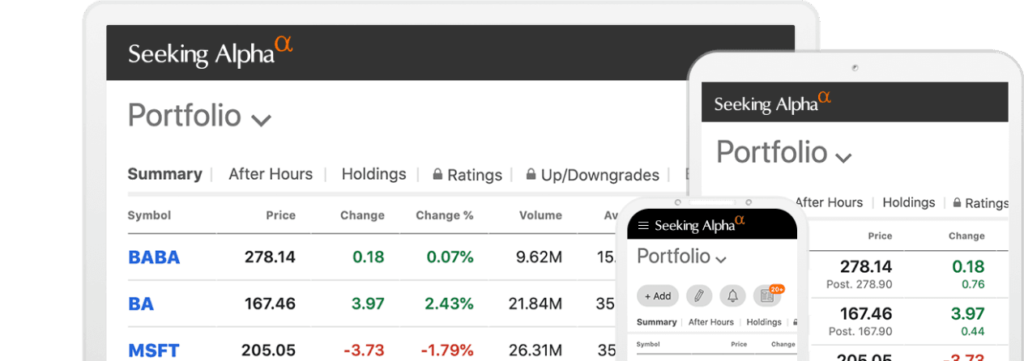
4. Portfolio Tracking
You can add your stocks and track performance in real-time. It helps you monitor gains, losses, and overall portfolio health without using multiple tools
5. Stock Screeners
This feature allows you to filter stocks based on criteria like market cap, valuation, growth rate, etc. It’s powerful for finding hidden opportunities based on your strategy
6. News & Real-Time Alerts
You get instant updates about market movements, stock news, and important events. This is useful if you want to stay actively involved in investing decisions
4. Pricing Comparison: Which One Is Worth It? 💰
Choosing the right plan depends on your budget and how much “help” you want with your portfolio. Here is the updated 2026 breakdown based on the latest tier structures.
The Motley Fool Pricing: Simple & Scalable 🃏
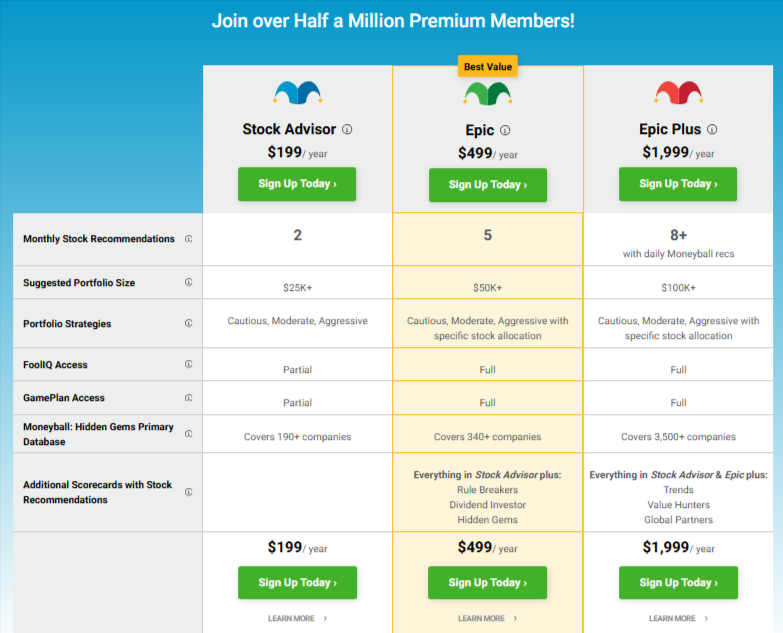
Motley Fool offers three main tiers depending on how many recommendations you want and your portfolio size.
- Stock Advisor ($199/year):
The entry-level gold standard. Best for portfolios of $25K+. You get 2 monthly picks and partial access to FoolIQ and GamePlan tools 🛠️. - Epic ($499/year):
The “Best Value” tier for portfolios of $50K+. You get 5 monthly picks, full access to FoolIQ/GamePlan, and specific stock allocation strategies 📊. - Epic Plus ($1,999/year):
For serious investors with $100K+. This includes 8+ monthly picks, plus daily “Moneyball” recommendations for high-frequency opportunities ⚾.
👉 Want to save on your subscription? Check the latest Motley Fool coupon codes and exclusive discounts here before you sign up.
Seeking Alpha Pricing: Data for Every Level 💎
Seeking Alpha follows a “Freemium” model, moving from basic news to professional-grade quant portfolios.
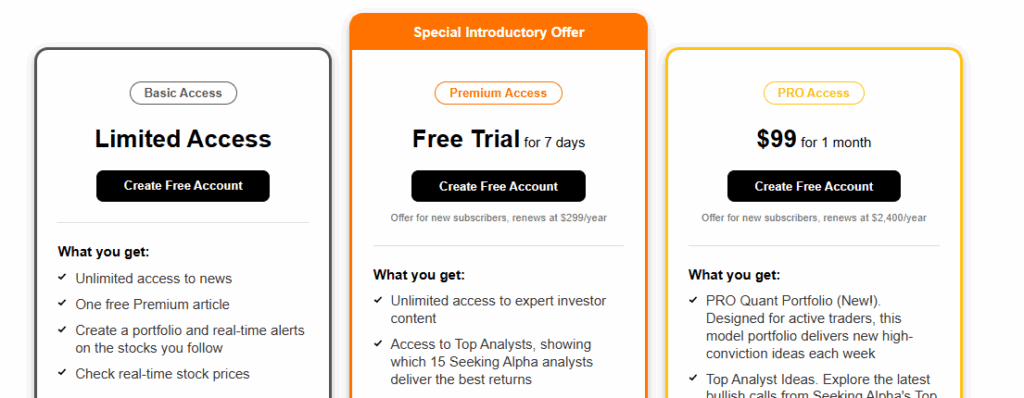
- Basic Access (Free):
Great for tracking a watchlist and reading one premium article, but you miss out on the famous Quant Ratings 🚫. - Premium Access ($299/year):
The most popular choice. It includes Unlimited expert content, the Quant Ratings, and “Top Analyst” rankings. Plus, you get a 7-day Free Trial to test it out 🧪. - PRO Access ($2,400/year):
Designed for active traders. It features a new PRO Quant Portfolio with high-conviction ideas each week and exclusive “Short Ideas” to profit when the market dips 📉. (Intro offer: $99 for the first month).
Quick Pricing Comparison Table 📊
| Feature | Motley Fool (Entry) | Seeking Alpha (Premium) |
| Annual Cost | $199 | $299 |
| Trial Period | 30-Day Money Back | 7-Day Free Trial |
| Monthly Picks | 2 Guaranteed Picks | Data-driven “Strong Buys” |
| Best For | “Tell me what to buy” | “Show me the data” |
5. Performance Comparison: Which One Gives Better Returns? 🚀
In 2026, “beating the market” isn’t just a slogan it’s a necessity. Here is how the actual numbers stack up for both services as of March 2026.
The Motley Fool: The Long-Term Legend 🐢
The Motley Fool plays the long game. They don’t care about a bad week or month; they care about 5-10 year windows.
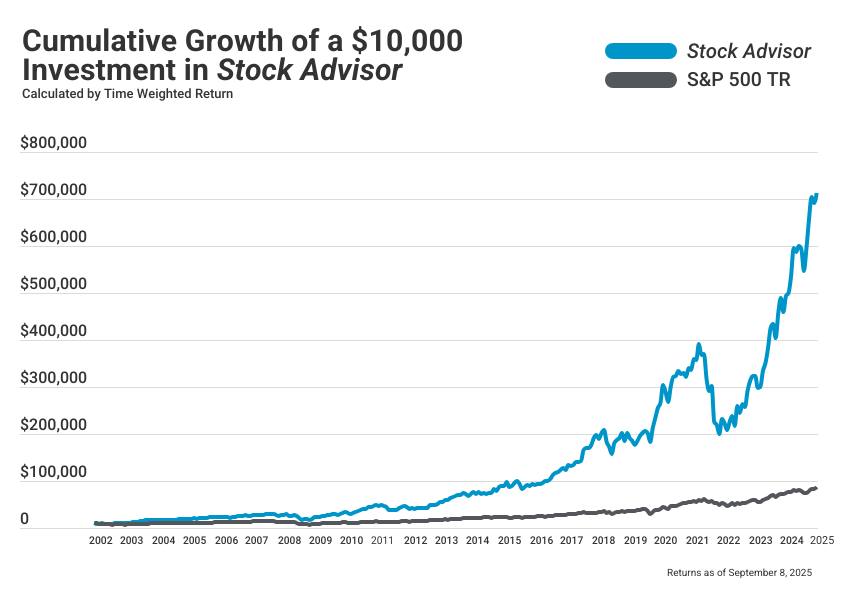
- Stock Advisor Track Record: Since 2002, they have beaten the S&P 500 by over 4X. While the S&P 500 has returned ~170%, Motley Fool’s average pick is up over 870% 📈.
- 2026 Performance: In the current choppy market, their “Foundational Stocks” have acted as a safety net. While tech-heavy portfolios are struggling, their diversified approach has kept them slightly ahead of the benchmark.
- Philosophy: “Let your winners run.” They don’t sell often, which is great for tax efficiency 💸.
Seeking Alpha: The Data-Driven Speedster ⚡
Seeking Alpha’s performance is built on their Quant Rating system, which has been backtested to beat the market for over a decade.
- Alpha Picks (2026 Update): This is their standout performer. Since its launch in 2022, Alpha Picks has outperformed the S&P 500 by 62.8%.
- The “Strong Buy” Advantage: According to March 2026 data, stocks rated as “Strong Buy” by the Quant system have outperformed the S&P 500 in 5 out of the last 6 years.
- Recent Wins: In the first two months of 2026 alone, while the broader market was down, Alpha Picks’ latest recommendations were up 9.5% 🚀.
- Philosophy: “Follow the Math.” If a stock’s data (momentum, value, growth) drops, the rating drops, and it’s time to move on.
Performance Head-to-Head (March 2026 Snapshot) 📊
| Metric | Motley Fool (Stock Advisor) | Seeking Alpha (Alpha Picks) |
| Historical Return | 4X S&P 500 (20+ Years) | ~3X S&P 500 (Since 2022) |
| Win Rate | ~60% of picks beat S&P | 77% of picks are profitable |
| Best For… | 5-10 Year Wealth Building | 1-3 Year Alpha Generation |
| Risk Profile | Moderate (Growth focused) | Moderate/High (Momentum focused) |
The “Alpha” Verdict 🏆
- Go with Motley Fool if you want a proven, multi-decade track record and don’t plan on checking your portfolio every day.
- Go with Seeking Alpha (Alpha Picks) if you want the “hot hand.” Their current momentum-based system is crushing the 2026 market volatility by identifying winners before the rest of the market catches on.
👉 For a deeper understanding of how these platforms compare and how stock analysis works, you can also check this detailed guide: Wall Street Survivor
6. Ease of Use: Beginner vs Advanced Experience
Ease of use is where most people make the wrong choice because a powerful tool is useless if you don’t know how to use it properly.
📈 Motley Fool: Simple & Beginner-Friendly
Motley Fool is designed to be super easy to use, even if you’re new to investing.
- Clean dashboard with clear recommendations
- No complex charts or technical data
- Straightforward “buy” suggestions
- Minimal learning curve
👉 You just log in, check the latest picks, and invest
✔️ Best for: Beginners, busy people, or anyone who wants a simple investing process
🔍 Seeking Alpha: Powerful but Complex
Seeking Alpha offers more features but that also means more complexity.
- Tons of data, charts, and analysis
- Multiple opinions on the same stock
- Advanced tools like screeners and ratings
- Requires time to understand and use properly
👉 You need to filter information and make your own decisions
✔️ Best for: Intermediate to advanced investors who enjoy research
7. Pros and Cons of Motley Fool vs Seeking Alpha
📈 Motley Fool Pros
- Beginner-friendly and easy to follow: The platform is designed for simplicity, so even if you have no investing experience, you can understand what to do without confusion.
- Clear stock recommendations: You get direct “buy” suggestions, which removes guesswork and saves time on research.
- Strong long-term focus: Their strategy is built around holding quality stocks for years, which suits people looking to build wealth gradually.
- Time-saving approach: You don’t need to analyze charts or financial data—just follow the recommendations and stay consistent.
❌ Motley Fool Cons
- Limited control over decisions: Since you rely on expert picks, you don’t get much flexibility to build your own strategy.
- Less detailed data and tools: Compared to research platforms, it lacks advanced analytics and deep insights.
- Not suitable for short-term traders: If you want quick trades or active investing, this platform may feel too slow.
🔍 Seeking Alpha Pros
- In-depth research and analysis: You get detailed reports, financial data, and insights that help you understand stocks deeply.
- Quant ratings system: AI-based ratings give you a quick idea of whether a stock is strong or weak based on real metrics.
- Multiple viewpoints: You can read both positive and negative opinions on the same stock, which helps in making balanced decisions.
- Advanced tools and features: Screeners, portfolio tracking, and alerts give you more control over your investing strategy.
❌ Seeking Alpha Cons
- Overwhelming for beginners: The amount of data and analysis can be confusing if you’re new to investing.
- Requires time and effort: You need to read, analyze, and decide—nothing is handed to you directly.
- Too many opinions can confuse you: Different analysts may have opposite views, making it harder to choose confidently.
⚡ Final Insight
Motley Fool simplifies investing by guiding you, while Seeking Alpha gives you full control with deeper insights. Your decision should depend on whether you prefer convenience or analysis 💡
8. Who Should Use Motley Fool?
Motley Fool is best suited for people who want a simple, guided approach to investing without spending too much time on research. If you prefer following expert recommendations instead of analyzing stocks yourself, this platform fits perfectly. It’s especially useful for beginners who are just starting their investment journey and want clear direction 📈
If you have a busy schedule and can’t track the market daily, Motley Fool makes things easier by giving you ready-to-follow stock picks. You don’t need to understand complex financial data just follow the recommendations and stay invested for the long term.
It’s also ideal for investors who believe in long-term wealth building rather than short-term trading. The platform focuses on holding quality stocks for years, which suits people who want steady growth instead of quick profits.
👉 In simple terms, Motley Fool is for you if you want less effort, clear guidance, and a long-term strategy 💡
9. Who Should Use Seeking Alpha?
Seeking Alpha is ideal for people who want more control over their investment decisions and are willing to do some research. If you like analyzing stocks, reading different opinions, and understanding market trends in depth, this platform is a strong fit 🔍
It works best for intermediate and advanced investors who don’t want to rely on a single recommendation. Instead, you get multiple viewpoints, data-driven ratings, and detailed analysis, which helps you make more informed decisions based on your own strategy.
If you actively track the market or want to build a personalized portfolio, Seeking Alpha gives you the tools to do that. Features like screeners, quant ratings, and portfolio tracking make it easier to find opportunities and monitor performance regularly 📊
👉 In simple terms, Seeking Alpha is for you if you want more control, deeper insights, and a hands-on investing approach 💡
10. Real Use Case Comparison (Beginner vs. Pro) 🥊
To see which one fits your daily routine, let’s look at two typical investor scenarios in the current 2026 market.
Scenario A: The “Time-Strapped” Beginner (Motley Fool) ⌚
- The Investor: Meet Sarah. She’s a marketing manager with $15,000 to invest. She wants to beat the market but spends 50 hours a week at work and doesn’t want to learn how to read a balance sheet.
- The Workflow: 1. Sarah receives an email alert: “New Stock Pick: [Company X].” 2. She reads a 2-minute summary of why the company is a “Buy” (e.g., “AI infrastructure play with a 20% moat”). 3. She logs into her brokerage and buys the shares. 4. Result: She spends 5 minutes a month managing her portfolio and relies on Motley Fool’s 20-year track record for peace of mind. 🧘♀️
Scenario B: The “Data-Hungry” Pro (Seeking Alpha) 🧐
- The Investor: Meet David. He has a $150,000 portfolio and treats investing like a serious hobby. He wants to know exactly why a stock is moving before he puts his capital at risk.
- The Workflow:
- David uses the Seeking Alpha Stock Screener to find stocks with a “Quant Rating” above 4.5 and a “Value Grade” of B+ or better.
- He reads three different analyst articles two “Bullish” and one “Bearish” to understand the risks 📉.
- He listens to the Earnings Call Transcript (on the SA mobile app) while driving to work to hear the CEO’s tone 🎧.
- Result: He spends 3-5 hours a week researching. He uses the data to “stress-test” his ideas, ensuring he never buys into a “Value Trap.” 🛡️
11. Final Verdict: Which One Should You Choose? 🏆
The “Best” platform doesn’t exist there is only the best platform for your specific goals. After analyzing the 2026 performance data, pricing tiers, and the current economic volatility, here is our definitive recommendation.
Choose The Motley Fool If: 🐢
- You are a “set-and-forget” investor: You want to buy high-quality companies and hold them for 5–10 years without checking the news every hour.
- You value simplicity: You want a clear “Buy” or “Sell” instruction without having to interpret complex financial ratios.
- You are on a budget: You want the best possible advice for the lowest starting price ($99–$199/year).
- You have a long-term mindset: You are okay with short-term volatility as long as you beat the S&P 500 over the next decade.
Choose Seeking Alpha If: ⚡
- You are an “active” or “data-driven” investor: You want to be the one making the decisions, using Quant Ratings and AI-driven data to prove your thesis.
- You want the highest current returns: You are looking for the “hot hand” of Alpha Picks, which is currently crushing the 2026 market by over 60% since launch.
- You manage a larger portfolio: You have $20,000+ to invest and the $299–$499/year fee is a small price to pay for institutional-grade research.
- You want to hear the “Bear Case”: You refuse to buy a stock until you’ve read the negative arguments from opposing analysts.
Related Articles:
FAQs
Q1: Which is better for beginners?
A: Motley Fool. It tells you exactly what to buy in plain English, while Seeking Alpha requires you to analyze data yourself. 🐣
Q2: Does Seeking Alpha give direct stock picks?
A: Only with “Alpha Picks” ($499/yr). The standard Premium version ($299/yr) gives you research tools and ratings, not a “buy list.” 🤖
Q3: Which has better 2026 performance?
A: Seeking Alpha Alpha Picks. It has outperformed the S&P 500 by ~62% since 2022. Motley Fool is better for 10-year+ historical returns. 🚀
Q4: Can I get a refund?
A: Motley Fool offers a 30-day money-back guarantee. Seeking Alpha usually offers a 7-day free trial but no refunds after the charge. 🛡️
Q6: What is the main cost difference?
A: Motley Fool is cheaper for new members ($99–$199). Seeking Alpha is a premium investment ($299–$499) for serious data lovers. 💰

👨💻 Hi, I’m Anas Khan, a digital marketing expert with over 5 years of experience in e-commerce and affiliate marketing. I specialize in finding the best coupon codes 💸, Black Friday promotions 🛍️, and discount offers 💥 to help you save big!
I’ve dedicated myself to staying on top of the latest trends 📈 in online deals, so I can offer you the most reliable, tested advice. Whether you’re looking for promo codes or exclusive Black Friday deals, you can trust that my recommendations are based on solid research and personal expertise 🏆.